
Ledger.com/Start® | Getting started®™ — Ledger Support
Get your Ledger device ready at Ledger.com/start with setup guidance and practical tools for account access, balance checks, asset organization, and transfers.
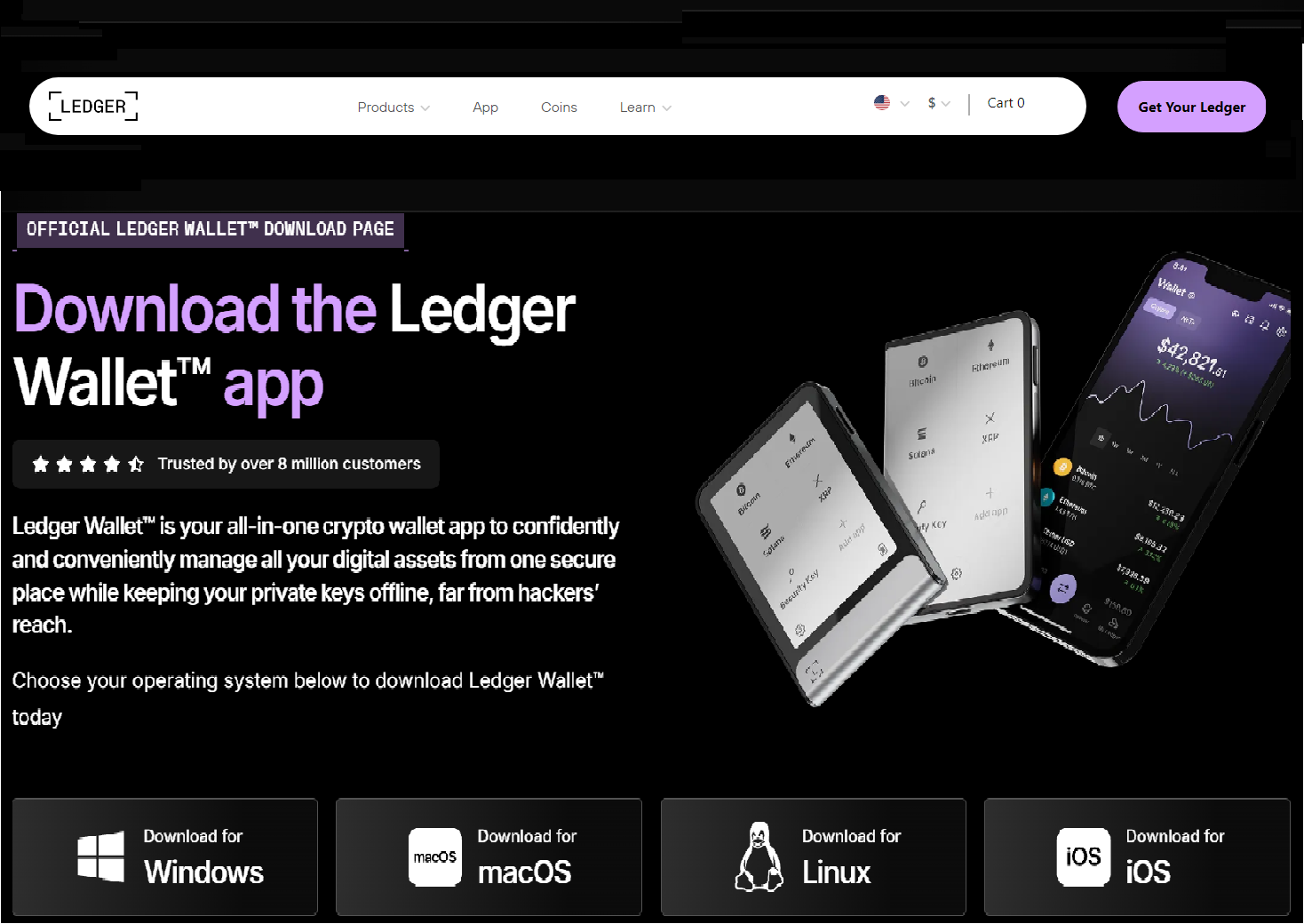
Ledger.com/start: How to Create a Clear Wallet Routine for Everyday Crypto Management
A hardware wallet can become much easier to manage when users develop a simple routine instead of treating every session as a completely new experience. From checking wallet information to reviewing transactions, consistent habits can make cryptocurrency management more organized. Ledger.com/start can serve as an initial reference point for users who want to establish a practical approach from their first wallet session.
Start With the Basics
A good wallet routine begins with understanding what you are using. Before performing any transaction, become familiar with your wallet accounts, supported assets, and the information displayed during normal use.
New users do not need to master every feature immediately. Focus first on the functions you expect to use regularly.
This approach can make the wallet less overwhelming and give you time to understand each part of the process.
Use a Consistent Starting Point
When accessing setup information, software, or support resources, source verification should become part of your routine.
Ledger.com/start provides a starting point for users beginning their Ledger wallet journey. Rather than following random links from advertisements, social-media posts, or unsolicited messages, navigate independently to trusted sources.
A familiar starting process can also make it easier to notice when a website or instruction looks unusual.
Divide Wallet Tasks Into Categories
One way to simplify wallet management is to separate activities into categories.
Review: Check accounts, balances, and recent activity when appropriate.
Receive: Verify the correct account and receiving address before accepting funds.
Send: Carefully review transaction details before approval.
Learn: Explore unfamiliar wallet concepts without rushing into transactions.
Separating these activities helps you focus on the task at hand rather than trying to manage everything at once.
Make Transaction Verification Routine
Transaction verification should happen every time, even when the destination is familiar.
Before approving an outgoing transfer, review the cryptocurrency, network, destination, and amount. Pay attention to the information displayed during confirmation.
If any detail differs from what you expected, stop and investigate.
A short pause can be useful because blockchain transactions may not be reversible once completed.
Keep Confidential Information Separate
A well-organized wallet routine also requires a clear distinction between public and confidential information.
A public receiving address can be shared when appropriate for receiving cryptocurrency. Recovery information should remain private.
Never place confidential recovery information into websites, online forms, messages, screenshots, or cloud documents simply because someone requests it.
This distinction should remain consistent throughout your entire wallet journey.
Be Careful With Shared Computers
If you use more than one computer, think carefully about where you perform wallet-related activities.
A personal computer that you control can provide a more predictable environment than a public or shared device. Avoid entering sensitive information on computers you do not trust.
If you regularly manage cryptocurrency from a particular computer, keep that environment organized and avoid installing unfamiliar software.
Handle Unexpected Messages Separately
Not every wallet-related message requires immediate action.
If you receive an unexpected email, direct message, or notification claiming that your wallet needs urgent attention, do not automatically follow the provided instructions.
Instead, independently verify the situation through a trusted source. Avoid clicking suspicious links or sharing confidential information.
This habit is particularly important because social engineering often relies on urgency and confusion.
Review Your Routine Periodically
As your wallet usage develops, review whether your current habits are still practical.
You might discover that you have created unnecessary accounts, saved information in an unsafe location, or are relying on unfamiliar websites for instructions.
Simplifying your routine can make future wallet sessions easier.
Learn as Your Needs Grow
Cryptocurrency management involves many concepts, and not all of them need to be learned at once.
Start with wallet setup, account organization, receiving, sending, and security basics. Later, you can learn more about networks, transaction fees, and other subjects that are relevant to your activities.
Conclusion
Ledger.com/start can be the first step toward building a consistent Ledger wallet routine. The most useful habits are often simple: use trusted sources, organize wallet tasks, verify transactions, protect confidential information, and pause when something seems unusual.
A clear routine can make everyday wallet management more understandable while helping you approach important cryptocurrency actions with greater care.
Updated about 4 hours ago