
Ledger.com/Start® — Getting Started with Ledger Live™
Start your Ledger setup at Ledger.com/start and explore practical wallet resources for connecting devices, organizing accounts, and monitoring holdings.
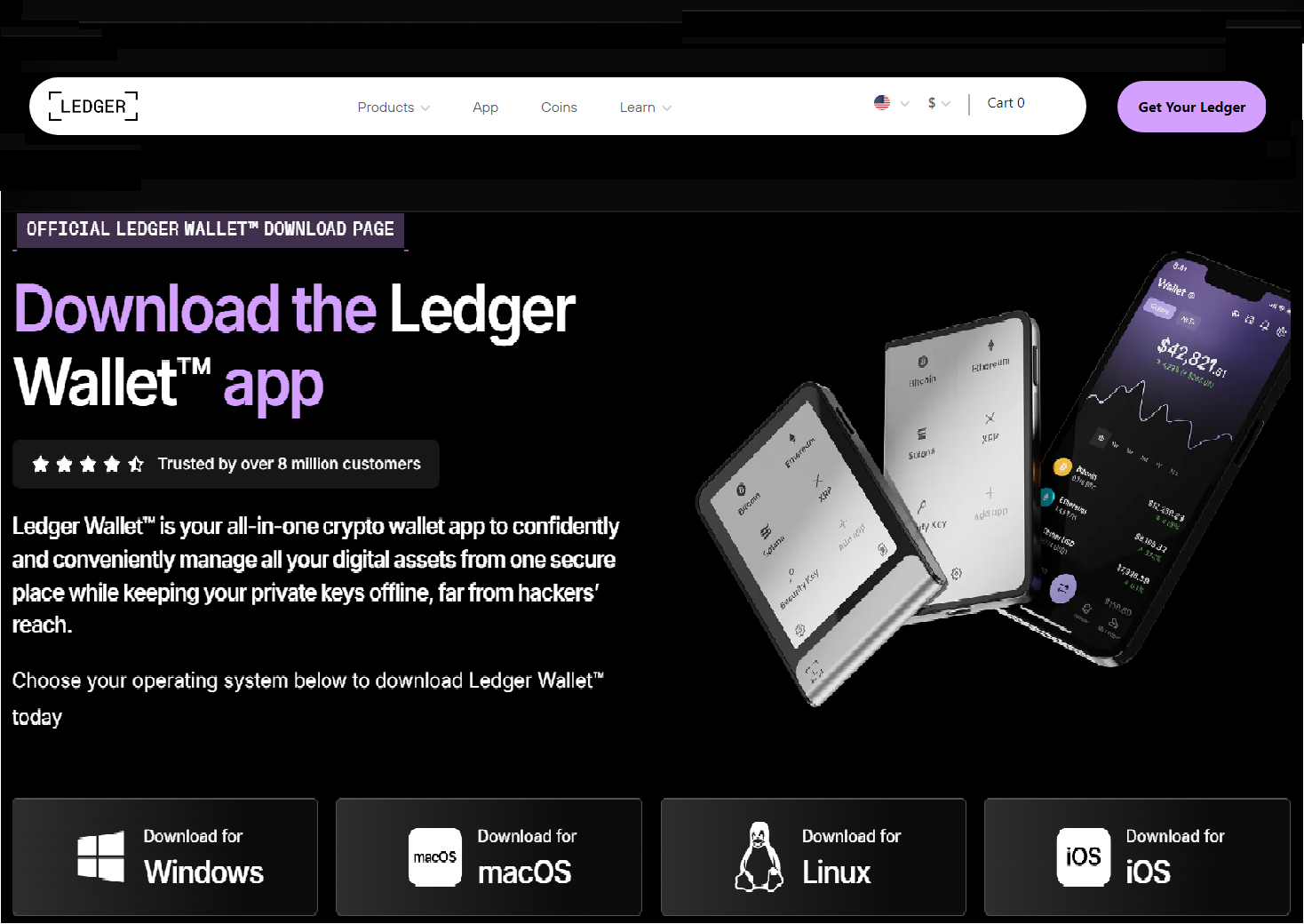
Ledger.com/start: How to Build a Secure and Organized Wallet Setup From Day One
Starting with a hardware wallet is an important step for anyone who wants greater control over digital assets. However, a successful setup is not only about connecting a device and completing instructions. New users should also understand how to organize their wallet, protect sensitive information, and develop habits that make future transactions easier to manage. Ledger.com/start can be a useful starting point for building that foundation.
Start With a Clear Plan
Before beginning the setup process, think about how you intend to use your wallet. Some users may primarily receive cryptocurrency, while others may regularly transfer assets or manage several accounts.
Knowing your intended use can help you avoid unnecessary configuration and keep your wallet experience simple.
Choose a trusted computer and a quiet environment for the initial setup. Avoid rushing through important instructions while multitasking. A few extra minutes of careful reading can make the process easier to understand.
Use a Trusted Starting Point
When beginning your wallet journey, source verification should be one of your first habits. Use Ledger.com/start as the starting point for setup-related guidance and carefully check that you are using the intended website.
Be cautious with links received through advertisements, unsolicited emails, social-media messages, or unfamiliar websites. A convincing design does not automatically prove that a page is genuine.
If you are uncertain about a website or instruction, stop before entering information or downloading software.
Understand What Must Stay Private
One of the most important lessons for a new wallet user is understanding which information can be shared and which information must remain confidential.
Public wallet addresses may be used when receiving cryptocurrency. Sensitive recovery information is different and should remain private.
Never treat a recovery phrase or similar confidential information as ordinary account information. Do not post it online, send it through messaging applications, or provide it to someone who claims they need it to fix your wallet.
Organize Your Wallet Information
As you become familiar with your wallet, organization can make everyday management easier. Learn which accounts you use regularly and understand how assets appear within the wallet environment.
If you manage multiple assets, avoid creating unnecessary complexity before you understand the purpose of each account or function.
A simple organization system can help you recognize your normal wallet activity and notice unexpected information more easily.
Understand Receiving Before Sending
Receiving cryptocurrency is a useful way to become familiar with wallet addresses and transaction records.
Before providing a receiving address, confirm that it belongs to the intended account and is suitable for the asset being transferred. After the transaction is initiated, review the resulting information so you understand how incoming activity appears.
Once you are comfortable with receiving, learn how outgoing transactions work.
Use a Pre-Transaction Checklist
Before approving a transaction, pause and review the important details. Confirm the asset, destination, network, and amount.
If the transaction involves information displayed on your hardware wallet, read it carefully instead of approving automatically.
A short verification routine can be especially useful when you are dealing with unfamiliar addresses or larger amounts.
Handle Unexpected Problems Carefully
Not every unexpected message or warning requires immediate action. If something seems unusual, avoid making decisions based on pressure.
Instead, stop and verify the situation using trusted documentation or official support channels. Never provide confidential recovery information simply because someone says it will solve a problem.
This principle is useful whether you are dealing with an installation issue, an unfamiliar notification, or a transaction you do not recognize.
Make Security a Routine
Wallet security becomes easier to maintain when it becomes part of your normal routine. Use trusted sources, keep confidential information private, verify transactions, and avoid rushing.
You can also periodically review your wallet habits and remove unnecessary steps that create confusion.
Conclusion
Ledger.com/start can serve as an entry point for users beginning their Ledger wallet journey. A strong setup combines careful preparation with good long-term habits. Understanding public and private information, organizing wallet activity, checking transaction details, and responding calmly to unexpected situations can make everyday management more structured.
The goal is not to learn everything immediately. Start with the fundamentals, practice careful verification, and expand your knowledge as you become more comfortable with your wallet.
Updated about 4 hours ago